WORKING ACROSS COMMUNITIES THROUGHOUT THE PHILIPPINES
Our Network
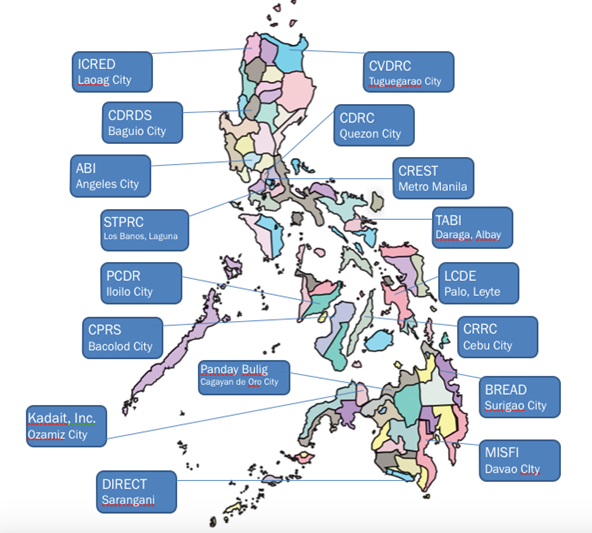
CDRC operates nationwide through a network of regional partners and people’s organizations across Luzon, the Visayas, and Mindanao.
DISASTER RESPONSE & MANAGEMENT
A Network Rooted in Communities
CDRC serves as the secretariat of the Citizens’ Disaster Response Network (CDRN). The CDRN is a network of 17 disaster management and social development agencies from Luzon, Visayas, and Mindanao. The members of CDRN are united in the promotion and implementation of Community-Based Disaster Management (CBDM) in the Philippines.
THE PHILIPPINES
A Nationwide Reach
The Citizens' Disaster Response Center Foundation maintains a synchronized grassroots presence bridging the three major island groups of the Philippine archipelago. By unifying community-based disaster management across Luzon, the Visayas, and Mindanao, CDRC ensures proactive preparedness and rapid, people-centered humanitarian action reaches vulnerable communities wherever need arises.
- Luzon: Northern, central, and southern coordination coverage
- Visayas: Island-wide community disaster resilience frameworks
- Mindanao: Extensive community response and preparedness alliances
HOW THE NETWORK WORKS
A NETWORK OF PARTNERSHIP
Our structure operates as a collaborative ecosystem where national coordination, regional expertise, and community leadership work in mutual solidarity without top-down command.
COMMUNITY-BASED DISASTER RISK MANAGEMENT
Connected Across the
Disaster Cycle
An integrated, people-centered approach uniting grassroots preparedness, immediate emergency relief, structural recovery, and long-term climate resilience.
PHASE 01
Disaster Preparedness
Institutional risk assessment, early warning systems, and community contingency planning to build localized readiness before hazards strike.
PHASE 02
Emergency Response
Rapid mobilization of relief goods, medical assistance, evacuation support, and emergency logistical aid in direct coordination with affected populations.
PHASE 03
Recovery & Rehabilitation
Restoring sustainable livelihoods, repairing resilient housing structures, and revitalizing community infrastructure to build back safer and stronger.
PHASE 04
Climate Adaptation
Ecological stewardship, sustainable agricultural practices, and ecosystem-based mitigation strategies to safeguard future generations against climate risks.
GRASSROOTS EXTENSION
Regional Partners and
People’s Organizations
CDRC maintains direct ties with grassroots formations across the three major island groups, anchoring disaster response, risk reduction, and rehabilitation in organized community action.
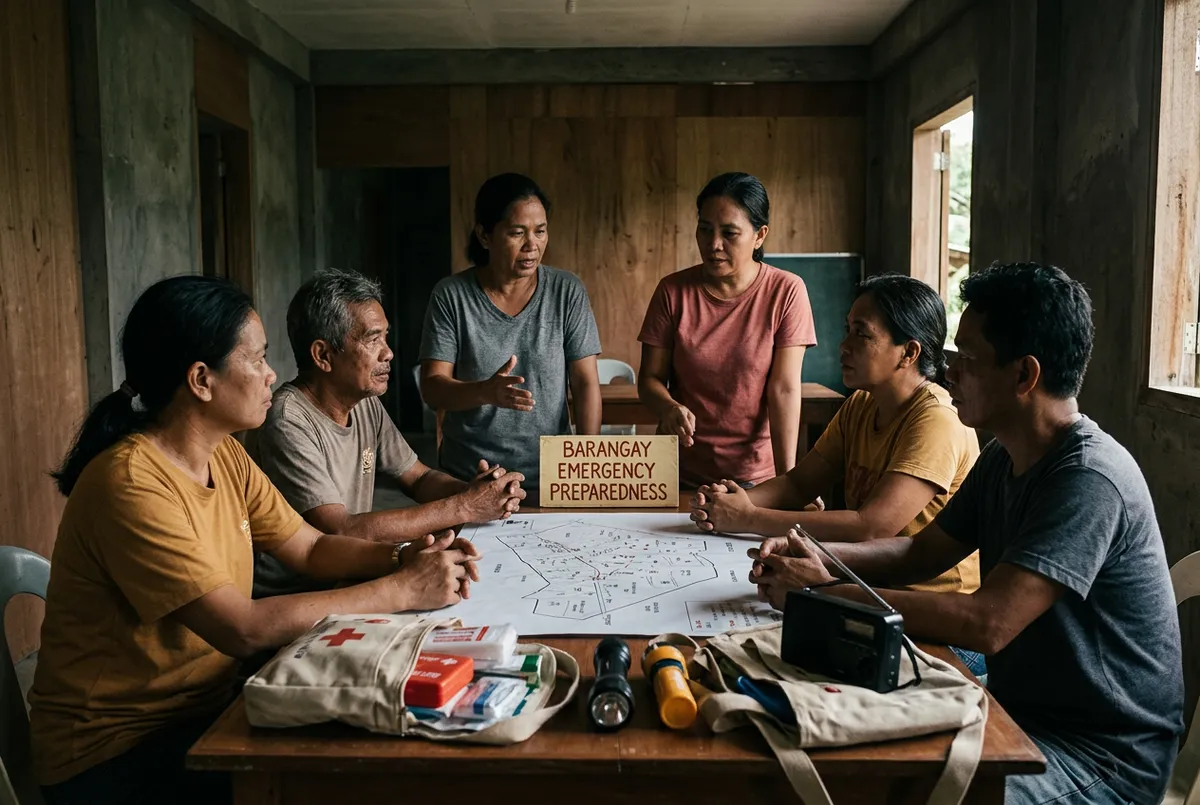
Luzon
Community formations throughout agricultural, coastal, and urban settlements collaborate to mobilize rapid relief, organize local early warning procedures, and implement sustainable community-managed safety measures across northern and southern provinces.
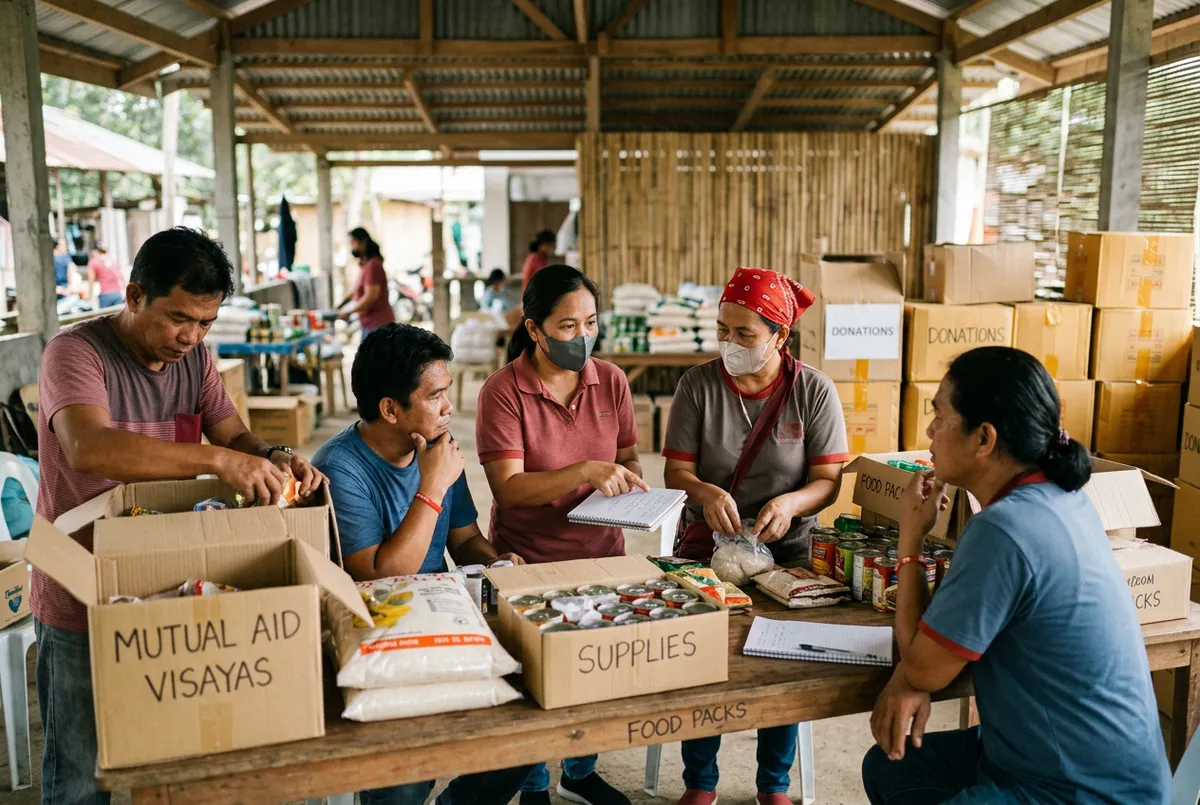
Visayas
Island-based grassroots associations unite fishing and farming communities along frequent storm corridors, facilitating emergency preparedness drills, coastal rehabilitation, and peer-to-peer solidarity during major climate events.
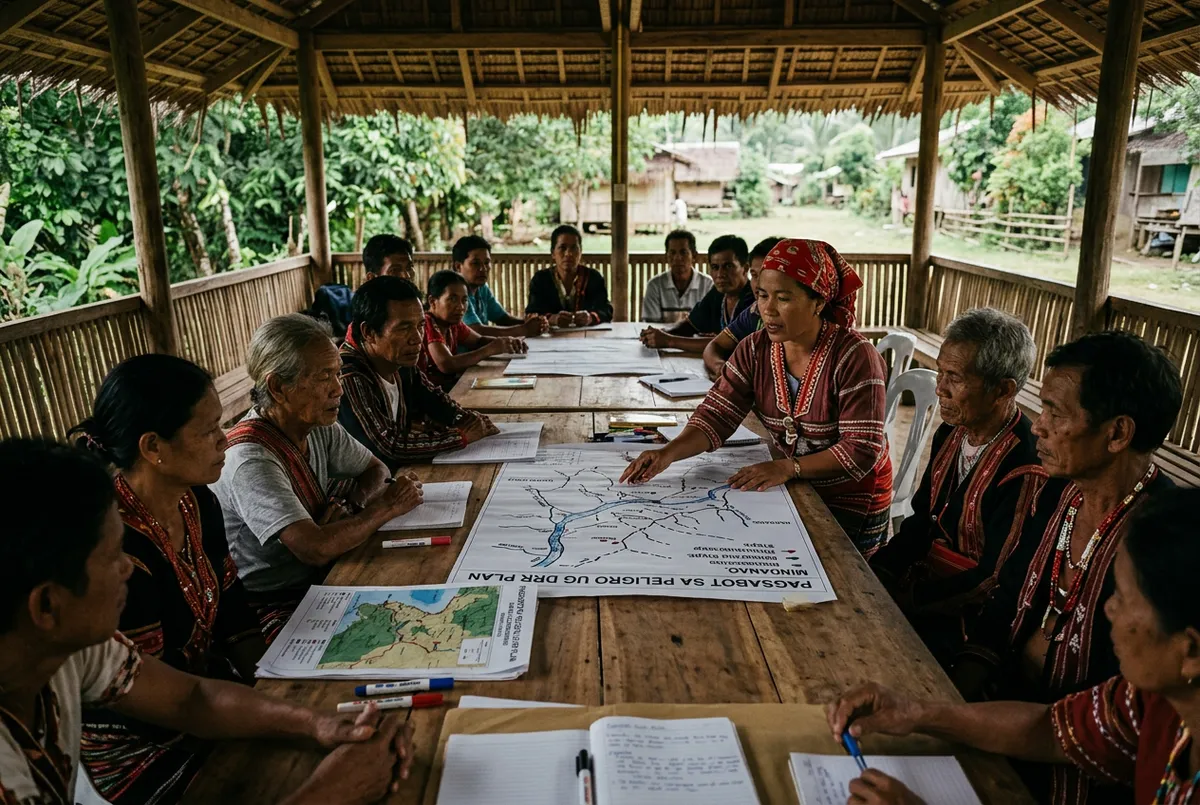
Mindanao
Partnerships with indigenous groups, peasant federations, and remote rural communities power food security reserves, localized hazard mapping, and long-term socio-economic recovery initiatives grounded in community self-reliance.
COMMUNITY CONNECTION
Local Knowledge.
Community Action.
Disaster management is most effective when rooted directly in the lived reality of vulnerable populations. Rather than imposing top-down relief models, community-based disaster risk management mobilizes grassroots leadership, indigenous hazard wisdom, and organized mutual aid to safeguard lives before, during, and after crisis strikes.
- Local Participation & Self-Reliance: Transforming vulnerable sectors from passive recipients into active planners and first responders.
- Community Capacity Building: Equipping grassroots disaster preparedness committees with risk assessment, early warning, and rescue skills.
- Regional Coordination: Linking barangay-level committees with regional centers for synchronized emergency response and resource allocation.
- Disaster Preparedness & Mitigation: Designing targeted contingency plans that address distinct geographical, ecological, and socioeconomic risks.
- Rapid Emergency Response: Activating on-the-ground volunteer networks to deliver immediate relief when official channels are disrupted.
- Resilient Recovery & Rehabilitation: Rebuilding sustainable livelihoods and strengthening community infrastructure to withstand future climate shocks.
BE PART OF THE NETWORK
Be Part of the Network
Support community-based disaster preparedness, emergency response, recovery, and resilience across the Philippines.
A non-government organization dedicated to serving the most vulnerable sectors of the population through disaster preparedness trainings, emergency responses, recovery and rehabilitation activities, and climate change adaptation and mitigation activities since 1984.
Organization
About Us
Our Network
Contact
Get Involved
Donate
Volunteer
Partner
Head Office
72-A Times St., West Triangle
Quezon City 1104, Philippines
[email protected]
© 2026 Citizens' Disaster Response Center. Official NGO accredited by the SEC and DSWD. All rights reserved.
Facebook
Instagram
Youtube